Protected Content
Please enter the password to access this page
Fintech
Card Circuit
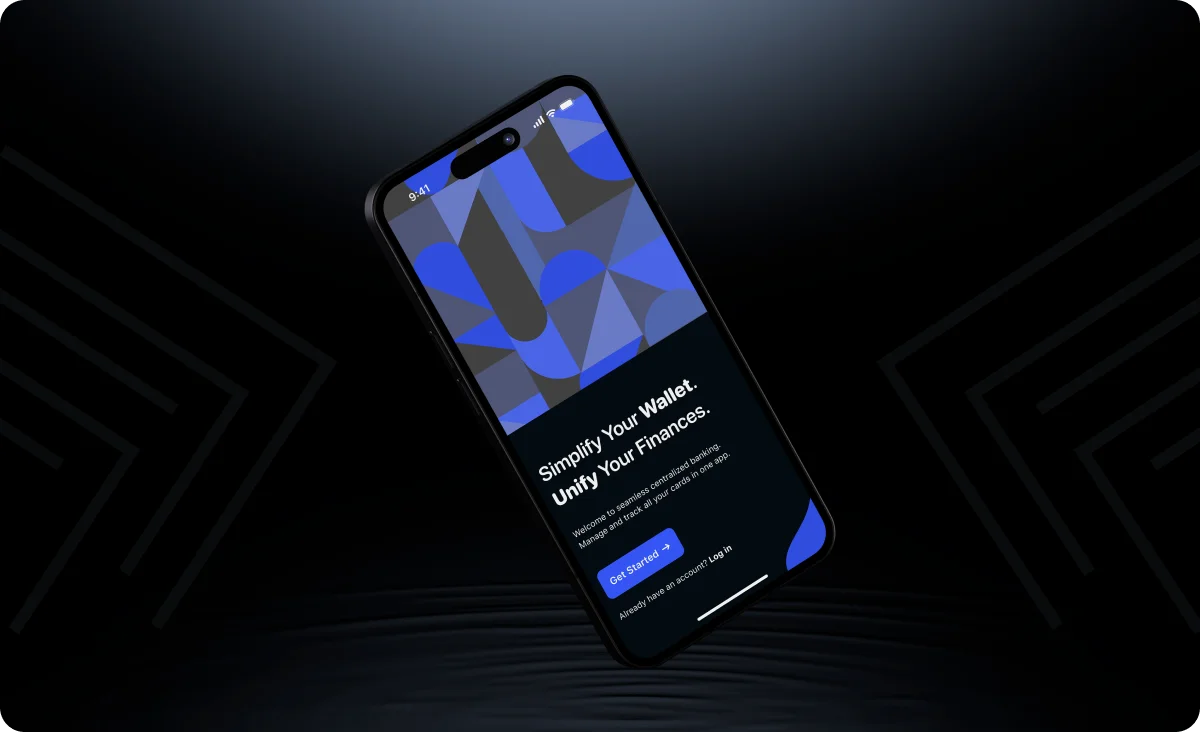
A financial management app designed to simplify, organize, and unify personal banking, bringing cards, transactions, and budgeting into one seamless experience.
Client
Personal
Role
Product Designer
Overview
Web Design
2023
Web Design
Fintech, Digital Banking
1






The Problem
Most users weren’t frustrated with their money, they were frustrated with how scattered the information was. Balances lived in one app, subscriptions in another, spending insights somewhere else, and a spreadsheet to fill the gaps. Individually, these apps worked fine. Together, they created a fragmented workflow that made it difficult to see the full picture. The problem: How do we simplify this workflow by creating a unified financial hub that feels organized, reliable, and easy to maintain?
The Proposal
Card Circuit was designed to bring clarity to everyday personal finance. Instead of switching between multiple apps, users can link their accounts, view transactions, and understand their spending in one place. The goal was to create a simple, unified experience that helps users stay organized and make more confident financial decisions.
Design Process
Research & Discovery
To uncover key user pain points in financial management, I designed a user survey aligned with four core problem areas. Each question was intentionally crafted to explore user behaviors, frustrations, and unmet needs.
1. Fragmented Finances
Goal: Understand how users manage multiple accounts and the confusion that may arise.
Key Questions:
How many financial accounts (bank, fintech, credit cards) do you actively use?
How often do you switch between apps/platforms to view your financial status?
Have you ever felt overwhelmed trying to get a full picture of your finances?
What I wanted to learn: Whether managing finances across platforms contributes to user stress or poor decision-making due to lack of visibility.
2. Limited Insights
Goal: Explore how users track spending and whether current tools meet their needs.
Key Questions:
Do you use any apps or spreadsheets to track your expenses or investments?
How useful are the insights you currently get from these tools?
What types of insights or analytics do you wish you had but currently don’t?
What I wanted to learn: If users lacked clarity or actionable insights that could help them optimize their financial decisions.
3. Complex Transactions
Goal: Identify pain points around understanding and categorizing transactions.
Key Questions:
Do you categorize your expenses manually, or is it handled by an app?
How often do you struggle to understand where a transaction came from?
Have you ever misclassified a transaction or ignored it due to confusion?
What I wanted to learn: Whether poor labeling or categorization impacts budgeting accuracy and trust in financial tools.
4. Desire for Automation
Goal: Measure interest in automating routine financial tasks.
Key Questions:
Do you currently automate any part of your financial life (e.g., bill payments, savings)?
What financial tasks do you find tedious or wish were handled automatically?
How comfortable are you with an app managing these tasks on your behalf?
What I wanted to learn: If there's strong demand for smart automation and what tasks users are most willing to delegate.
The Takeaway
In my user research, I engaged with several individuals facing financial management challenges. Here are the key takeaways:
Fragmented Finances: 75% of users manage accounts across 3 or more financial institutions, leading to fragmented financial visibility and increased cognitive load.
Limited Insights: 68% reported they do not use or do not trust existing tools for budgeting, spending analysis, or investment tracking due to lack of clarity or personalization.
Complex Transactions: 60% of users found it difficult to understand and categorize transaction types, which resulted in poor budgeting habits and misclassified expenses.
Desire for Automation: 82% of participants showed strong interest in features like automated bill payments, budget reminders, and smart alerts, aiming to reduce the need for manual tracking.
Research Insights
User Personas
From this research user personas were created.
A look at the Competition
MVP Features
User Flow

Wireframes
Low Fidelity Wireframes
Style Guide

A look at the Competition
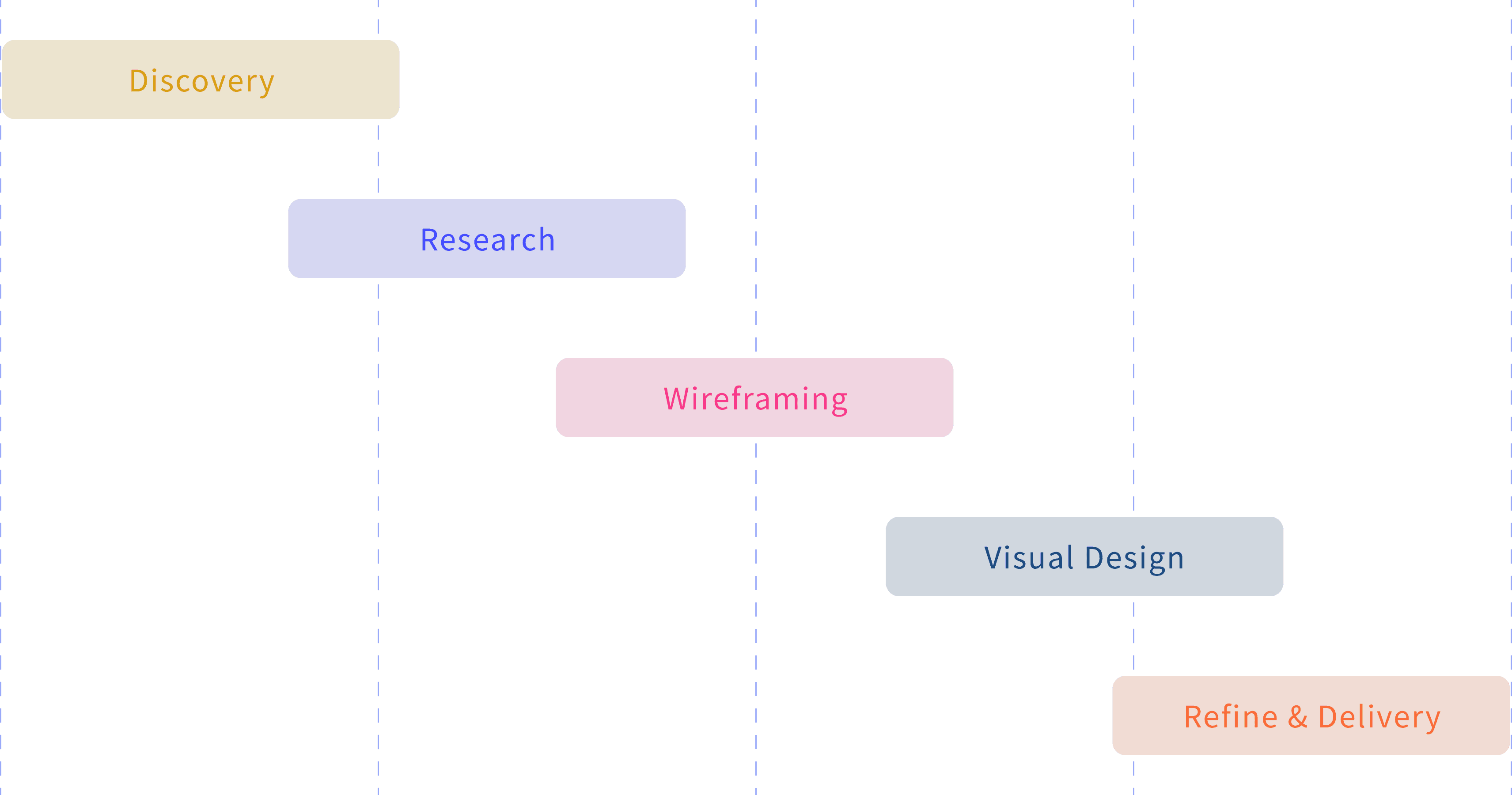
Research & Analysis: We conducted user interviews, surveys, and analyzed in-app analytics to understand the pain points and user needs. We also studied competitor apps and industry trends to gather insights
Information Architecture: Based on the research findings, we restructured the app's navigation and content, prioritizing features and information according to user needs.
Wireframing & Prototyping: We designed low-fidelity wireframes to visualize the new layout and navigation, iteratively refining them based on user feedback. Afterward, we built a high-fidelity, interactive prototype to test the design.
Usability Testing: We conducted usability tests with a diverse group of users to validate the design and identify areas for improvement. Based on the feedback, we made necessary adjustments to the design.
Visual Design & Style Guide: We developed a cohesive visual language, including color schemes, typography, and iconography, ensuring consistency throughout the app. We also created a style guide to maintain design consistency in future updates.

“ With our new visual branding and language in place, the new Shopify brand clearly captures the essence of our current and target customer base, our employees, and our values. ”
Tobias Lütke
CEO, Co-founder | Shopify
35%
Improved onboarding process
25%
Increase in user retention
84%
Increase in time spent on website


Conclusion
The StreamLine mobile banking app redesign successfully addressed the usability issues, resulting in a more intuitive and user-friendly experience. The improved UX/UI design led to increased user adoption, engagement, and satisfaction, demonstrating the value of a well-designed template for UX designers.